অনেক English learners-এর একটি সাধারণ সমস্যা হলো তারা Grammar জানে, Vocabulary জানে, কিন্তু বাস্তব কথোপকথনে স্বাভাবিকভাবে প্রশ্ন করতে পারে না। তারা প্রায়ই বইয়ের ভাষায় বা অতিরিক্ত Formal Structure ব্যবহার করে, যার ফলে conversation robotic শোনায়। অথচ Fluent English speakers প্রতিদিন খুব সাধারণ এবং natural question patterns ব্যবহার করে যোগাযোগ করে।
আপনি যদি Spoken English, IELTS Speaking, Daily Conversation, Interview Preparation বা Overall English Fluency উন্নত করতে চান, তাহলে Natural Question Formation শেখা অত্যন্ত গুরুত্বপূর্ণ। কারণ conversation শুরু করা, information নেওয়া, opinion জানা, clarification চাওয়া এবং discussion চালিয়ে যাওয়ার জন্য প্রশ্ন করার দক্ষতা অপরিহার্য। এই লেখায় আমরা জানবো কীভাবে English-এ natural questions করতে হয় এবং কোন ধরনের sentence patterns সবচেয়ে বেশি ব্যবহার করা হয়।
কেন Natural Questions গুরুত্বপূর্ণ?
বাস্তব জীবনের conversation-এ প্রশ্নই communication-এর মূল চালিকাশক্তি। আপনি যদি প্রশ্ন করতে না পারেন, তাহলে conversation দীর্ঘ সময় ধরে চালিয়ে নেওয়া কঠিন হয়ে যায়। অনেক শিক্ষার্থী Grammar Rules মুখস্থ করে কিন্তু practical speaking situation-এ আটকে যায়। কারণ তারা sentence তৈরি করার বদলে rules মনে করার চেষ্টা করে। Natural English Speaking-এর জন্য আপনাকে question patterns আয়ত্ত করতে হবে, যাতে প্রশ্ন করা automatic habit হয়ে যায়।
উদাহরণ:
❌ Where do you reside?
✅ Where do you live?
দুটিই সঠিক, কিন্তু দ্বিতীয়টি অনেক বেশি natural এবং commonly used।
Yes/No Questions দিয়ে শুরু করুন
Natural English conversation-এর সবচেয়ে common question type হলো Yes/No Questions।
উদাহরণ:
Do you like coffee?
Are you busy today?
Did you watch the match?
Have you finished your work?
Can you help me?
এই ধরনের প্রশ্নের উত্তর সাধারণত Yes বা No দিয়ে শুরু হয়। Daily Speaking Practice-এর সময় এই ধরনের প্রশ্ন নিজে নিজে তৈরি করার অভ্যাস করুন।
যেমন:
Do I enjoy reading books?
Am I learning something new today?
Have I completed my task?
এই Self-Questioning Technique fluency উন্নত করতে সাহায্য করে।
WH Questions ব্যবহার করুন
Conversation দীর্ঘ করার জন্য WH Questions অত্যন্ত কার্যকর।
Common WH Words:
What
Why
When
Where
Who
Which
How
উদাহরণ:
What do you do?
Where do you work?
Why did you choose this career?
How did you learn English?
When did you start studying IELTS?
WH Questions ব্যবহার করলে উত্তরও বিস্তারিত আসে, ফলে conversation naturally এগিয়ে যায়।
"What do you think about...?" Pattern
Opinion জানতে এটি সবচেয়ে বেশি ব্যবহৃত natural pattern।
Examples:
What do you think about online education?
What do you think about social media?
What do you think about remote work?
What do you think about learning English online?
IELTS Speaking Part 3-এ এই ধরনের question structure বিশেষভাবে গুরুত্বপূর্ণ।
"How often...?" Questions
Frequency সম্পর্কে জানতে এই pattern ব্যবহার করা হয়।
Examples:
How often do you read books?
How often do you exercise?
How often do you watch English videos?
How often do you practice speaking?
এই structure everyday conversation-এ খুবই common।
"Have you ever...?" Questions
Experience সম্পর্কে জানতে এটি অসাধারণ একটি question pattern।
Examples:
Have you ever visited another country?
Have you ever spoken English with a foreigner?
Have you ever taken an IELTS test?
Have you ever tried learning English through podcasts?
এই ধরনের প্রশ্ন interesting conversation তৈরি করে।
"Would you rather...?" Questions
Preference বোঝার জন্য এই pattern ব্যবহার করা হয়।
Examples:
Would you rather work from home or in an office?
Would you rather travel alone or with friends?
Would you rather read books or watch movies?
এই ধরনের questions discussion এবং speaking practice-এর জন্য অত্যন্ত কার্যকর।
Follow-up Questions শেখা জরুরি
অনেক learners একটি প্রশ্ন করতে পারে, কিন্তু conversation চালিয়ে যেতে পারে না। Natural speakers সবসময় follow-up questions ব্যবহার করে।
Example:
Person A: I love travelling.
Person B:
Really?
Which country do you like most?
How often do you travel?
What was your best travel experience?
এই follow-up questions conversation-কে interesting এবং engaging করে তোলে।
Direct Translation এড়িয়ে চলুন
বাংলা থেকে সরাসরি ইংরেজিতে অনুবাদ করলে প্রশ্ন অনেক সময় unnatural হয়ে যায়।
উদাহরণ:
❌ What is your good name?
✅ What's your name?
❌ From where are you coming?
✅ Where are you from?
❌ What are you doing now days?
✅ What are you doing these days?
Natural English শেখার জন্য real-life patterns শেখা বেশি গুরুত্বপূর্ণ।
Daily Question Practice Routine
প্রতিদিন মাত্র ১০ মিনিট সময় দিলেই question-making skill অনেক উন্নত করা সম্ভব।
Step 1
একটি topic নির্বাচন করুন।
যেমন:
Education
Travel
Food
Technology
Movies
Step 2
Topic নিয়ে ১০টি প্রশ্ন তৈরি করুন।
Example (Food):
What's your favourite food?
How often do you eat fast food?
Do you enjoy cooking?
Have you ever tried foreign food?
What food would you recommend?
Step 3
প্রতিটি প্রশ্নের উত্তর নিজে দিন।
Step 4
উত্তরের উপর আরও ২-৩টি follow-up questions তৈরি করুন।
এই প্রক্রিয়া Speaking Fluency দ্রুত উন্নত করতে সাহায্য করে।
Podcasts, Videos এবং Conversations থেকে Questions সংগ্রহ করুন
শুধু Grammar Book পড়ে natural questions শেখা কঠিন। বরং:
English Podcasts শুনুন
Interviews দেখুন
Talk Shows অনুসরণ করুন
English Conversations শুনুন
যখনই interesting question শুনবেন, সেটি লিখে রাখুন এবং নিজের situation অনুযায়ী ব্যবহার করার চেষ্টা করুন। এই method-এর মাধ্যমে আপনি বাস্তব জীবনে ব্যবহৃত question patterns শিখতে পারবেন।
IELTS Speaking-এর জন্য কেন এটি গুরুত্বপূর্ণ?
IELTS Speaking Test-এ শুধু উত্তর দেওয়াই যথেষ্ট নয়। Examiner-এর প্রশ্ন বুঝতে হবে এবং প্রশ্নের structure সম্পর্কে পরিচিত থাকতে হবে। যত বেশি question patterns-এর সঙ্গে পরিচিত হবেন, তত দ্রুত উত্তর formulate করতে পারবেন। এছাড়া speaking partner-এর সঙ্গে practice করার সময় প্রশ্ন তৈরি করার দক্ষতা conversation-এর quality অনেক বাড়িয়ে দেয়।
Final Thoughts
English Fluency শুধু Vocabulary বা Grammar-এর উপর নির্ভর করে না। Fluent speakers-এর একটি বড় বৈশিষ্ট্য হলো তারা effortlessly questions করতে পারে এবং conversation naturally এগিয়ে নিয়ে যেতে পারে। আপনি যদি প্রতিদিন কয়েকটি common question pattern নিয়ে practice করেন, follow-up questions তৈরি করেন, real-life conversations observe করেন এবং natural expressions ব্যবহার করেন, তাহলে ধীরে ধীরে আপনার English Speaking Skill অনেক বেশি confident এবং natural হয়ে উঠবে। মনে রাখবেন, Fluent English Speaking-এর রহস্য জটিল Grammar Rules নয়; বরং বাস্তব জীবনে ব্যবহৃত সহজ, কার্যকর এবং natural question patterns নিয়মিত অনুশীলন করা।
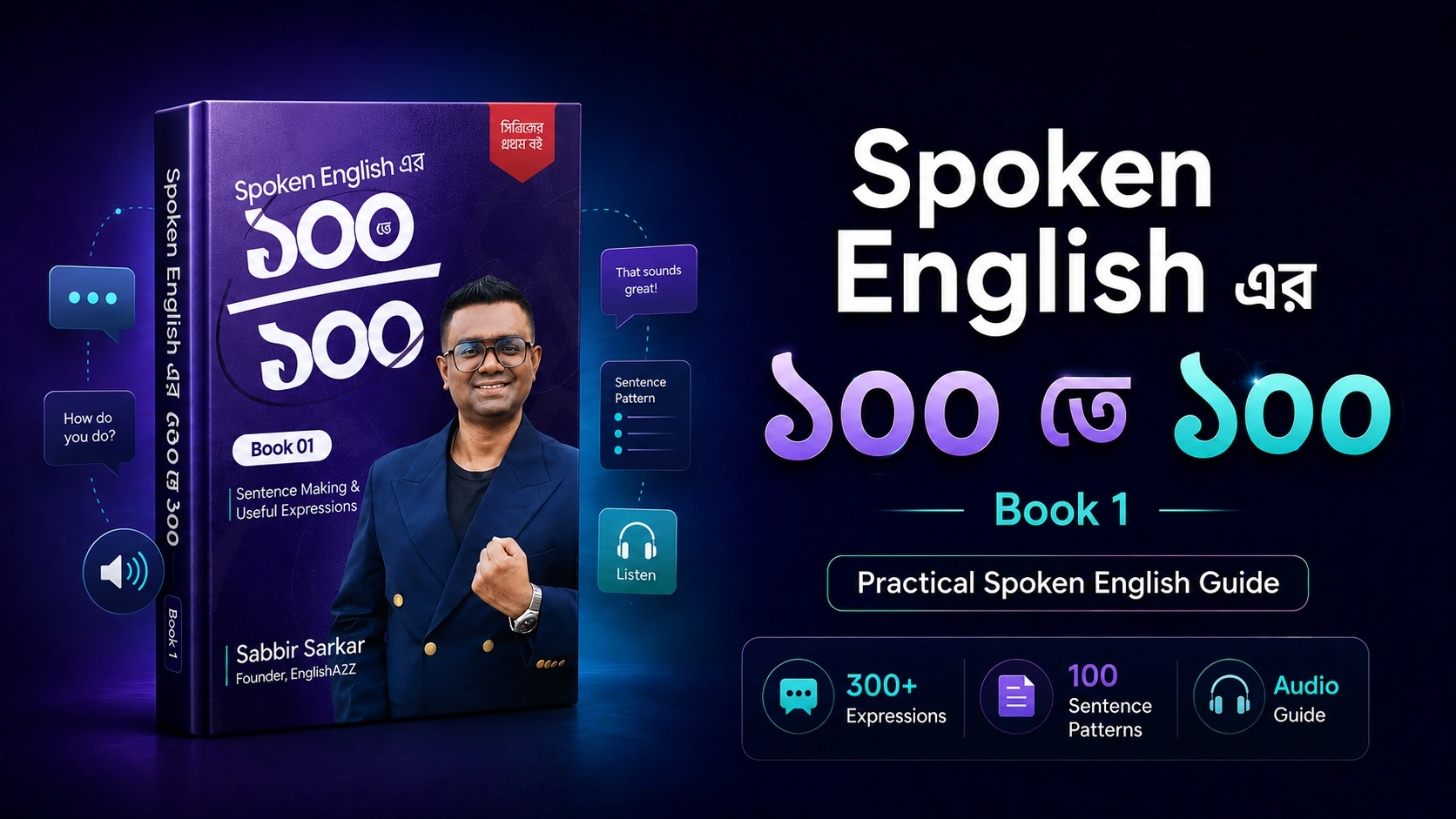
আর এই সব কিছুই পাবেন এখানে https://www.englisha2z.com.bd/course/ghore-bose-spoken-english-with-sabbir-sarkar
Keywords: Asking Questions in English Naturally, English Speaking Practice, Spoken English Tips, Natural English Conversation, IELTS Speaking Preparation, English Question Patterns, Daily English Practice, English Fluency Tips, WH Questions, Yes No Questions, Follow Up Questions, Learn English Naturally, English Communication Skills, Spoken English Course, Improve English Speaking, English Conversation Practice, English Learning Tips, IELTS Speaking Tips, English Question Formation, Basic English Speaking.